
By the Promethean Bioregulators Team | Published October 2026 | Estimated reading time: 10 minutes
High cholesterol usually enters the doctor’s visit conversation as a number on a blood test. “Your LDL is elevated, let’s start with some [add in your favorite pharmaceutical here], and maybe think about changing your diet. Oh! And maybe go for a walk or exercise, but definitely [favorite pharmaceutical here] first.”
Ok… But what is happening behind that number? What is the trigger? Is high cholesterol that bad? What about HDL?
Well, your liver helps make, package, and clear cholesterol. Your metabolic health influences the particles circulating in your blood and your arteries are where years of exposure can become a problem.
Understanding those connections makes managing high cholesterol more practical. It also helps explain why researchers are exploring new therapies targeting the liver and why organ-focused wellness belongs in the broader conversation.
How Common Is High Cholesterol?
In the CDC’s nationally representative NHANES survey conducted from August 2021 through August 2023, 11.3% of U.S. adults age 20 and older had total cholesterol of at least 240 mg/dL. Among adults ages 40–59, the figure reached 16.7%, approximately one in six.1
| Age group | Adults with total cholesterol ≥240 mg/dL |
|---|---|
| 20–39 | 6.0% |
| 40–59 | 16.7% |
| 60 and older | 11.3% |
| All adults 20 and older | 11.3% |
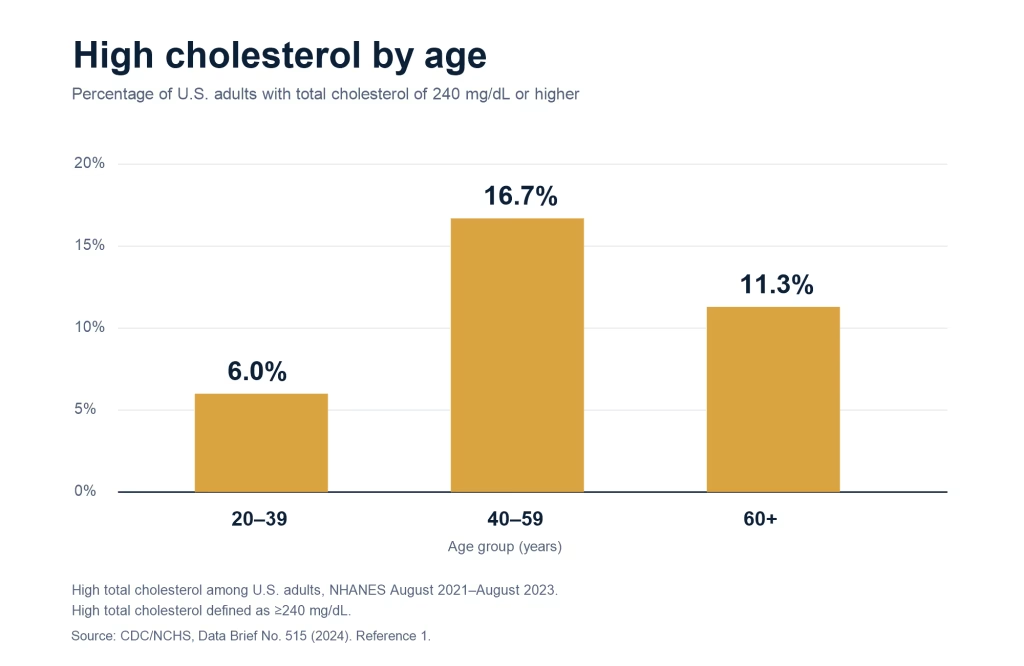 These figures describe measured high total cholesterol. They do not include everyone with an unfavorable lipid profile or everyone who could benefit from treatment. Total cholesterol alone cannot establish your cardiovascular risk.1
What Does Your Cholesterol Test Actually Measure?
Cholesterol travels through your bloodstream inside particles called lipoproteins. A routine lipid panel provides several pieces of information.
| Measurement | What it tells you |
|---|---|
| Total cholesterol | The combined cholesterol carried in circulating lipoproteins. |
| LDL cholesterol, or LDL-C | The amount of cholesterol carried in LDL particles. |
| HDL cholesterol, or HDL-C | The amount carried in HDL particles, interpreted alongside your other results. |
| Triglycerides | A different type of circulating fat that contributes to the metabolic picture. |
| Non-HDL cholesterol | Total cholesterol minus HDL-C, capturing cholesterol in several potentially atherogenic particle types. |
There are two additional tests that can help round out the picture.
Apolipoprotein B, or ApoB, reflects the number of circulating atherogenic particles. Two people with similar LDL-C can have different ApoB levels because the amount of cholesterol in each particle varies. A study of 293,876 UK Biobank participants found that ApoB added cardiovascular risk information beyond LDL-C, non-HDL-C, and triglycerides.2
Lipoprotein(a), or Lp(a), is a distinct lipoprotein associated with cardiovascular risk. It is also the target of a new generation of therapies discussed below.9
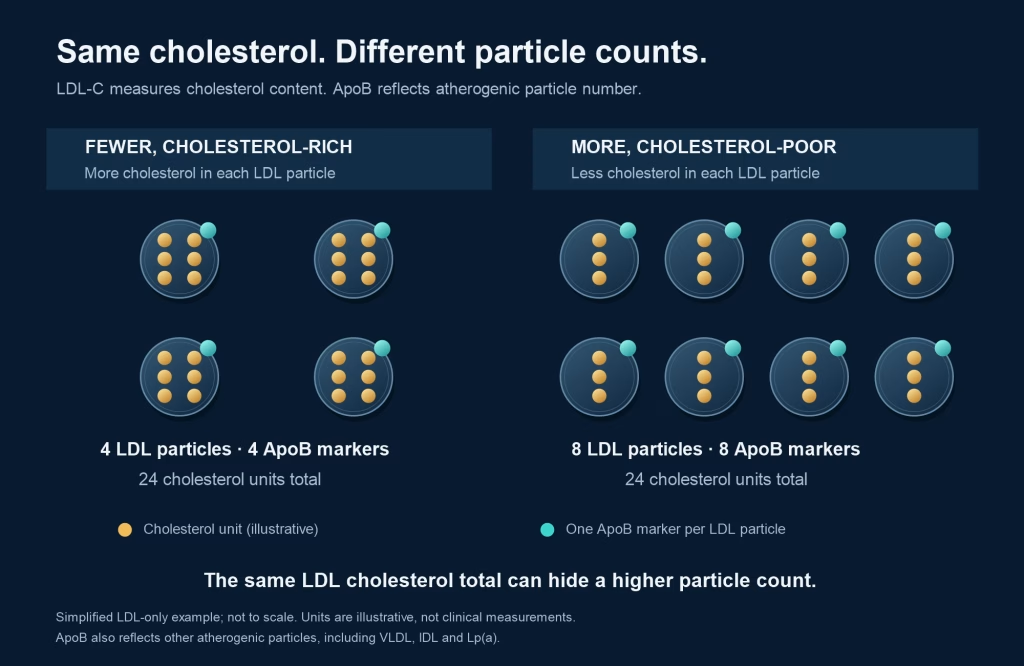
All these results, alongside blood pressure, smoking, diabetes, family history, and previous cardiovascular disease gives a picture to discuss with your physician. Depending on the findings, the evaluation may include thyroid function, glucose regulation, kidney health, and medications that could affect your results.
For selected people whose treatment decision remains uncertain, a coronary artery calcium scan can add information about calcified plaque. In the Multi-Ethnic Study of Atherosclerosis, coronary calcium predicted coronary events beyond standard risk factors.3
What Does the Liver Have to do with Cholesterol Management?
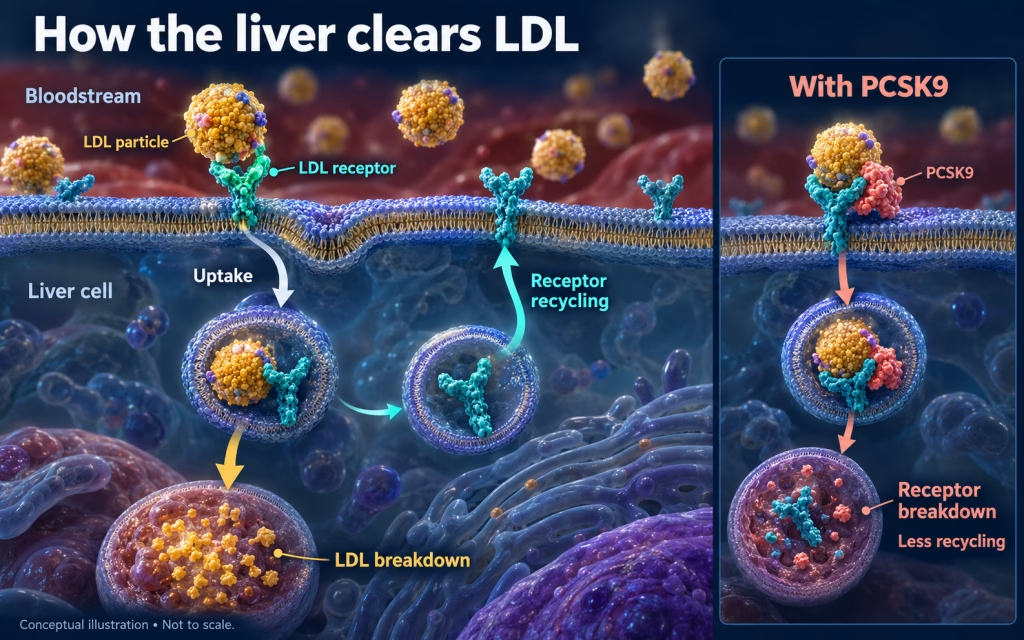
The liver’s role extends beyond producing cholesterol. It also removes circulating LDL through LDL receptors.
Several effective treatments act on this system. Statins reduce cholesterol synthesis. PCSK9-directed medicines help preserve the receptors involved in LDL clearance. Inclisiran reduces production of PCSK9 in the liver.578
This makes the liver central to understanding cholesterol management. An elevated LDL result does not necessarily mean your liver is damaged, but it does make the liver’s metabolic work relevant to the discussion.
For more on the relationship between liver function and metabolic health, see our article on fatty liver.
Common Recommendations to Manage High Cholesterol
Food patterns and dietary considerations
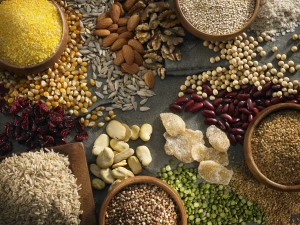 A useful dietary approach focuses on specific changes that can be repeated: more viscous fiber, nuts, and plant proteins, alongside appropriate replacement of saturated fats.
In a six-month randomized trial, a dietary “portfolio” emphasizing cholesterol-lowering foods produced LDL reductions of 13.1% with routine counseling and 13.8% with more intensive counseling. The control group, which received low-saturated-fat dietary advice, experienced a 3.0% reduction.4
| Dietary intervention | LDL-C reduction from baseline at six months |
|---|---|
| Control dietary advice | 3.0% |
| Portfolio diet: routine counseling | 13.1% |
| Portfolio diet: intensive counseling | 13.8% |
These are group averages from one trial. Individual responses vary, and the study did not compare these diets with medication.4
Practical starting points include oats or barley, beans and lentils, nuts, and soy foods where appropriate. Physical activity, weight management when needed, and avoiding tobacco belong in the broader cardiovascular plan.
Then recheck your results. Follow-up testing helps establish whether your changes are producing the response you need.
Pharmaceuticals prescribed by your physician
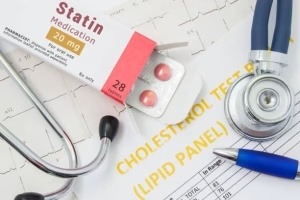 While medication decisions made with your physician depend on your starting levels, cardiovascular history, inherited risk, treatment goals, and tolerability, it is the “go-to” method for most.
| Treatment | How it fits into care | What original research shows |
|---|---|---|
| Statins | Reduce cholesterol synthesis and are a foundation of LDL-lowering treatment. | WOSCOPS demonstrated fewer coronary events with pravastatin in men with high cholesterol and no previous heart attack.5 |
| Ezetimibe | Reduces intestinal cholesterol absorption; often added when more lowering is needed. | IMPROVE-IT demonstrated additional cardiovascular benefit when added to statin therapy after acute coronary syndrome.6 |
| PCSK9 antibodies | Injectable medicines that increase LDL clearance. | FOURIER demonstrated fewer cardiovascular events with evolocumab in patients with established cardiovascular disease receiving statins.7 |
| Inclisiran | Reduces liver production of PCSK9 using small interfering RNA. | ORION-10 and ORION-11 demonstrated approximately 50% LDL reduction.8 |
| Bempedoic acid | An oral option considered particularly when statin tolerance is a problem. | CLEAR Outcomes demonstrated fewer major cardiovascular events in statin-intolerant patients.10 |
These studies measured different outcomes. The inclisiran trials above focused on cholesterol reduction, while the other trials also evaluated cardiovascular events.
If side effects interfere with treatment, discuss adjustments or alternatives with your prescriber.
Is Anything New On Horizon?
Our pharmaceutical industry is always “innovating”. Some of the most significant developments combine technologies with the biggest historical skeptiscism.
RNA therapies: changing protein production in the liver
Inclisiran illustrates an approach already used in clinical care: reduce production of a protein that influences LDL clearance.
In its phase 3 trials, treatment produced approximately 50% LDL reductions with injections given initially, at three months, and then every six months. Injection-site reactions were more frequent than with placebo.8
Researchers are also targeting Lp(a). In the phase 2 OCEAN(a)-DOSE trial, olpasiran produced substantial reductions in Lp(a), exceeding 95% after placebo adjustment in several dose groups.9
The next question is whether lowering Lp(a) prevents cardiovascular events, which is the purpose of a separate OCEAN(a)-Outcomes trial.
Gene editing: a potentially lasting change
A 2026 phase 1 study investigated VERVE-102, an experimental therapy designed to inactivate PCSK9 in the liver.
Thirty-five participants received a single infusion across six dose groups. Mean LDL reductions ranged from 9% to 62%, depending on the dose. Researchers observed infusion reactions and temporary liver-enzyme elevations.11
The findings are an early step toward potentially durable cholesterol management. Larger studies and longer follow-up are needed to assess safety and cardiovascular outcomes. VERVE-102 remains an investigational therapy.11
For anyone following the biohacking world, these developments reinforce the value of understanding the mechanism, measuring the response, and following the quality of the evidence.
What About Bioregulators?
Another area of research asks how short peptides influence the activity and maintenance of specific tissues.
Investigators have studied changes in protein synthesis, cellular differentiation, and signaling molecules in liver, pancreatic, and vascular cells. These findings provide directions for further research into organ-focused support.121314
Liver Bioregulator: Cholesterol Management Driver
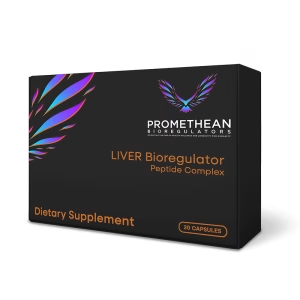 The Liver Bioregulator (Svetinorm / Peptide Complex A-7) is a naturally derived oral peptide complex intended for liver wellness.
The related short-peptide literature includes research on Livagen, an isolated subset of Complex A-7. In cultured rat liver cells, Livagen increased protein synthesis, with the largest effect reported in cells from older animals.12
Protein synthesis is part of how cells maintain their working machinery. This finding makes liver-cell activity an interesting direction for further peptide research, particularly in the context of aging.
Pancreas Bioregulator: Metabolic Connector
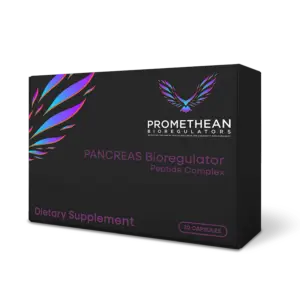 The Pancreas Bioregulator (Suprefort / Peptide Complex A-1) adds a pancreatic wellness focus.
The pancreas contributes to both digestion and metabolic regulation. Research on Pancragen, an isolated subset of Complex A-1, examined differentiation markers in cultured pancreatic cells. Investigators reported increased expression of factors involved in the specialized functions of both acinar cells and pancreatic islet cells.13
These findings suggest additional avenues for studying how short peptides influence pancreatic-cell function during aging.
For more context, explore our articles on insulin resistance and GLP-1s and the pancreas.
Blood Vessel Bioregulator: Vascular Wrap-Around
 The Blood Vessel Bioregulator (Ventfort / Peptide Complex A-3) completes the circuit..
The endothelium is the cellular lining of blood vessels. In laboratory research involving normal, atherosclerotic, and restenotic endothelium, the short peptide KED, a specific tripeptide found in Complex A-3, influenced expression of endothelin-1, connexin, and sirtuin-1.14
These molecules participate in vascular signaling, communication between cells, and cellular maintenance. The findings provide a basis for further investigation of short peptides and endothelial function.
The Research at a Glance
| Organ focus | Short peptide studied | Experimental finding |
|---|---|---|
| Liver | Livagen | Increased protein synthesis in cultured rat liver cells, with the greatest response in cells from older animals.12 |
| Pancreas | Pancragen | Increased differentiation-factor expression in cultured pancreatic acinar and islet cells.13 |
| Blood vessels | KED | Changes in endothelin-1, connexin, and sirtuin-1 expression in cultured endothelium.14 |
Together, these laboratory findings support continued investigation into tissue-specific peptide activity. Their relevance here is to cellular maintenance and organ-focused research.
Putting A Cholesterol Plan Together
As always, start with a discussion with a trusted healthcare advisor. Obtain and bring your lab results and ask what they mean for your overall cardiovascular risk.
Discuss whether ApoB, Lp(a), or additional assessment would change your care and then start on a dietary and exercise regiment for overall health and wellness.
Are there blood pressure, glucose regulation, or issues at play? Can medication (where indicated) help? Ask the questions, do the research and make plans.
Finally, think about adding bioregulators. Potentially begin with the Liver Bioregulator (one capsule, twice daily) and retest. Add the others on the same cadence for potentially a better boost.
Frequently Asked Questions
Can I have high cholesterol even if I feel healthy?
Yes. Cholesterol levels are assessed through blood testing. Feeling well does not establish that your levels or cardiovascular risk are low.
Is ApoB the same as LDL cholesterol?
No. LDL-C measures cholesterol carried within LDL particles. ApoB reflects the number of circulating atherogenic particles. The measurements can disagree, adding useful information to a risk assessment.2
Does high cholesterol mean I have fatty liver?
No. An elevated cholesterol result does not diagnose fatty liver. Each requires its own assessment, although both can be relevant to metabolic health.
Why focus on the liver when discussing cholesterol?
The liver helps produce cholesterol and clear LDL from the bloodstream. Several established and emerging treatments act on these hepatic pathways.578
Where do bioregulators fit?
Bioregulators are an organ-focused supplement option to discuss alongside nutrition, physical activity, and appropriate medical care. The short-peptide studies described here explore cellular processes that may inform further research.
This article is educational and does not provide individualized medical advice. Promethean products are dietary supplements and are not intended to diagnose, treat, cure, or prevent disease. Statements about these products have not been evaluated by the FDA. Consult your clinician before starting supplements or changing prescribed treatment.
References
1. Carroll MD, Fryar CD, Gwira JA, Iniguez M. Total and High-density Lipoprotein Cholesterol in Adults: United States, August 2021–August 2023. NCHS Data Brief No. 515. 2024. Read report.
2. Sniderman AD, et al. Discordance among apoB, non-high-density lipoprotein cholesterol, and triglycerides: implications for cardiovascular prevention. European Heart Journal. 2024;45:2410–2418. Read study.
3. Detrano R, et al. Coronary calcium as a predictor of coronary events in four racial or ethnic groups. New England Journal of Medicine. 2008;358:1336–1345. Read study.
4. Jenkins DJA, et al. Effect of a dietary portfolio of cholesterol-lowering foods given at 2 levels of intensity of dietary advice on serum lipids in hyperlipidemia: a randomized controlled trial. JAMA. 2011;306:831–839. Read study.
5. Shepherd J, et al. Prevention of coronary heart disease with pravastatin in men with hypercholesterolemia. New England Journal of Medicine. 1995;333:1301–1307. Read study.
6. Cannon CP, et al. Ezetimibe added to statin therapy after acute coronary syndromes. New England Journal of Medicine. 2015;372:2387–2397. Read study.
7. Sabatine MS, et al. Evolocumab and clinical outcomes in patients with cardiovascular disease. New England Journal of Medicine. 2017;376:1713–1722. Read study.
8. Ray KK, et al. Two phase 3 trials of inclisiran in patients with elevated LDL cholesterol. New England Journal of Medicine. 2020;382:1507–1519. Read study.
9. O’Donoghue ML, et al. Small interfering RNA to reduce lipoprotein(a) in cardiovascular disease. New England Journal of Medicine. 2022;387:1855–1864. Read study.
10. Nissen SE, et al. Bempedoic acid and cardiovascular outcomes in statin-intolerant patients. New England Journal of Medicine. 2023;388:1353–1364. Read study.
11. Vafai SB, et al. In vivo base editing of PCSK9 with VERVE-102 for hypercholesterolemia. New England Journal of Medicine. 2026. Read study.
12. Brodskiĭ VIa, et al. Rhythm of protein synthesis in cultures of hepatocytes from rats of different ages: norm and effect of the peptide Livagen. Izvestiia Akademii Nauk. Seriia Biologicheskaia. 2001;(5):517–521. Russian-language article with English abstract. Read study.
13. Khavinson VKh, et al. Effects of Pancragen on the differentiation of pancreatic cells during their ageing. Bulletin of Experimental Biology and Medicine. 2013;154:501–504. Read study.
14. Kozlov KL, et al. Molecular aspects of vasoprotective peptide KED activity during atherosclerosis and restenosis. Advances in Gerontology. 2016;29:646–650. Russian-language article with English abstract. Read study.
